An outdoor fireplace has become one of the most requested upgrades for Dallas-Fort Worth homeowners looking to get more use out of their backyards. It stretches the patio season into cooler months, gives outdoor gatherings a natural focal point, and adds real value to a home. But building one that looks great and lasts through Texas summers and the occasional winter freeze takes some planning. Here's what to consider before you start.
Why Dallas Homeowners Are Adding Outdoor Fireplaces
With mild winters and long stretches of pleasant spring and fall weather, DFW is well suited to outdoor living. A fireplace turns a patio into a true extension of the home — a place to gather on a cool evening, entertain guests, or simply enjoy the backyard after the sun goes down. It also tends to be one of the more visually striking additions a homeowner can make, since the fireplace itself becomes the anchor of the whole outdoor space.
Choosing the Right Material for Texas Weather
Outdoor fireplaces face a different set of challenges than indoor ones. They need to hold up to intense summer heat, UV exposure, occasional heavy rain, and the rare hard freeze. Cast stone is a popular choice for this exact reason: it's dense, weather-resistant, and can be cast into nearly any profile or architectural detail, from clean modern lines to more traditional, carved looks. Natural stone and brick are also common in the area, but cast stone offers more design flexibility while holding up just as well to DFW's climate swings.
Popular Outdoor Fireplace Styles for DFW Backyards
Traditional Stone Fireplaces
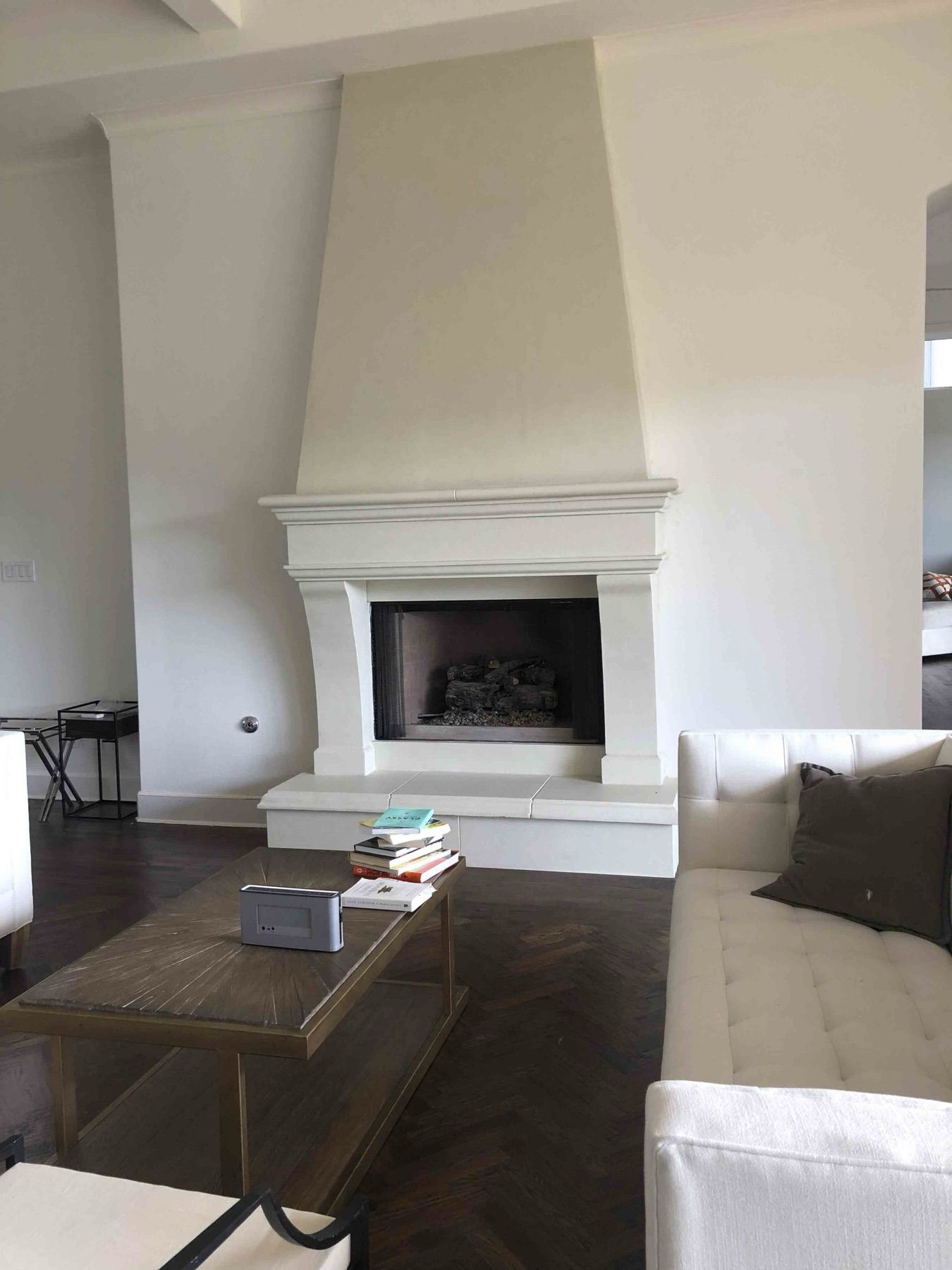
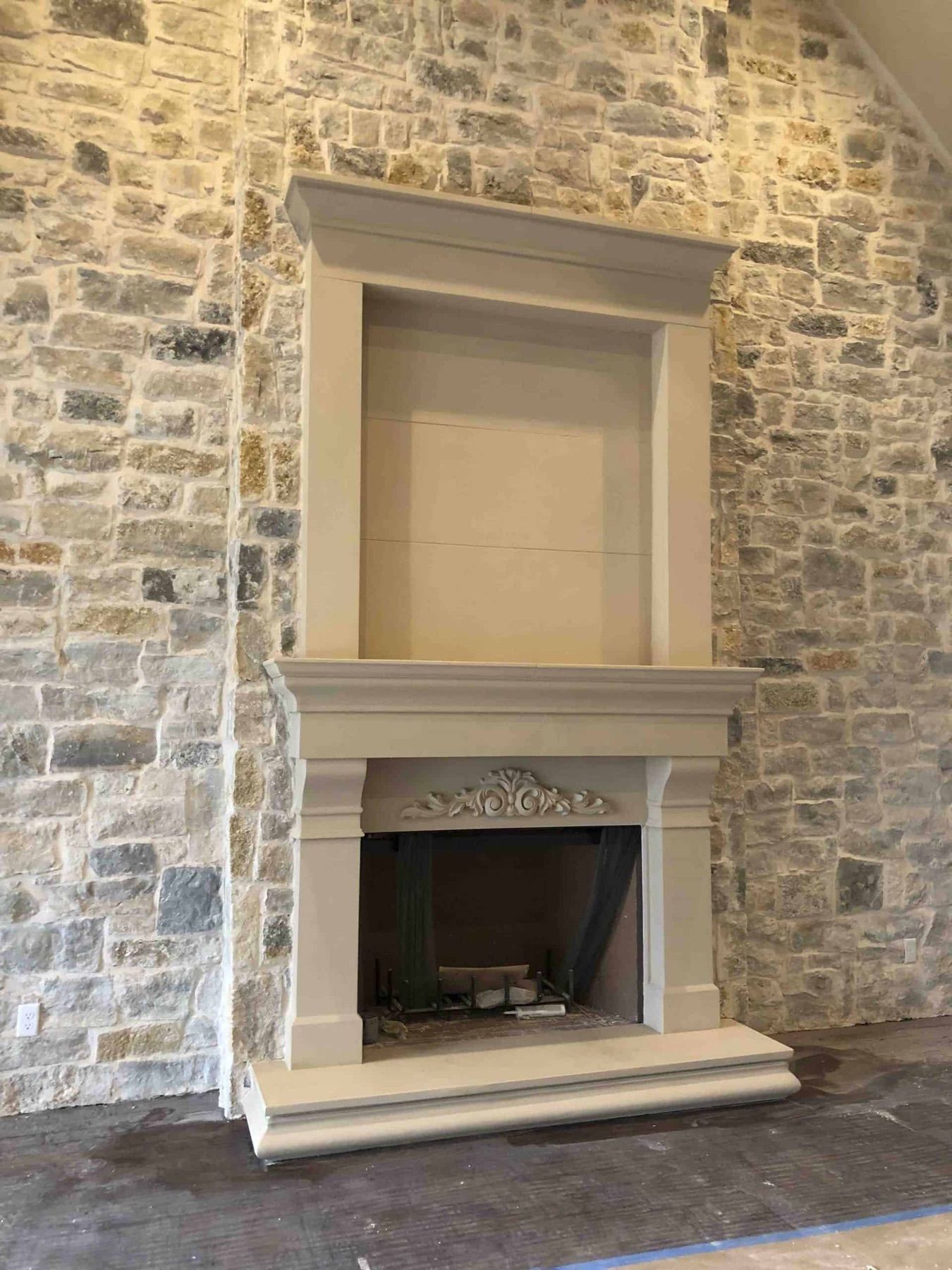
A classic stacked-stone or cast stone surround with a raised hearth and substantial mantel still anchors many Texas backyards, especially those with a ranch or traditional architectural style. These designs tend to feel timeless and pair well with existing brick or stone on the home's exterior.
Modern Linear Designs
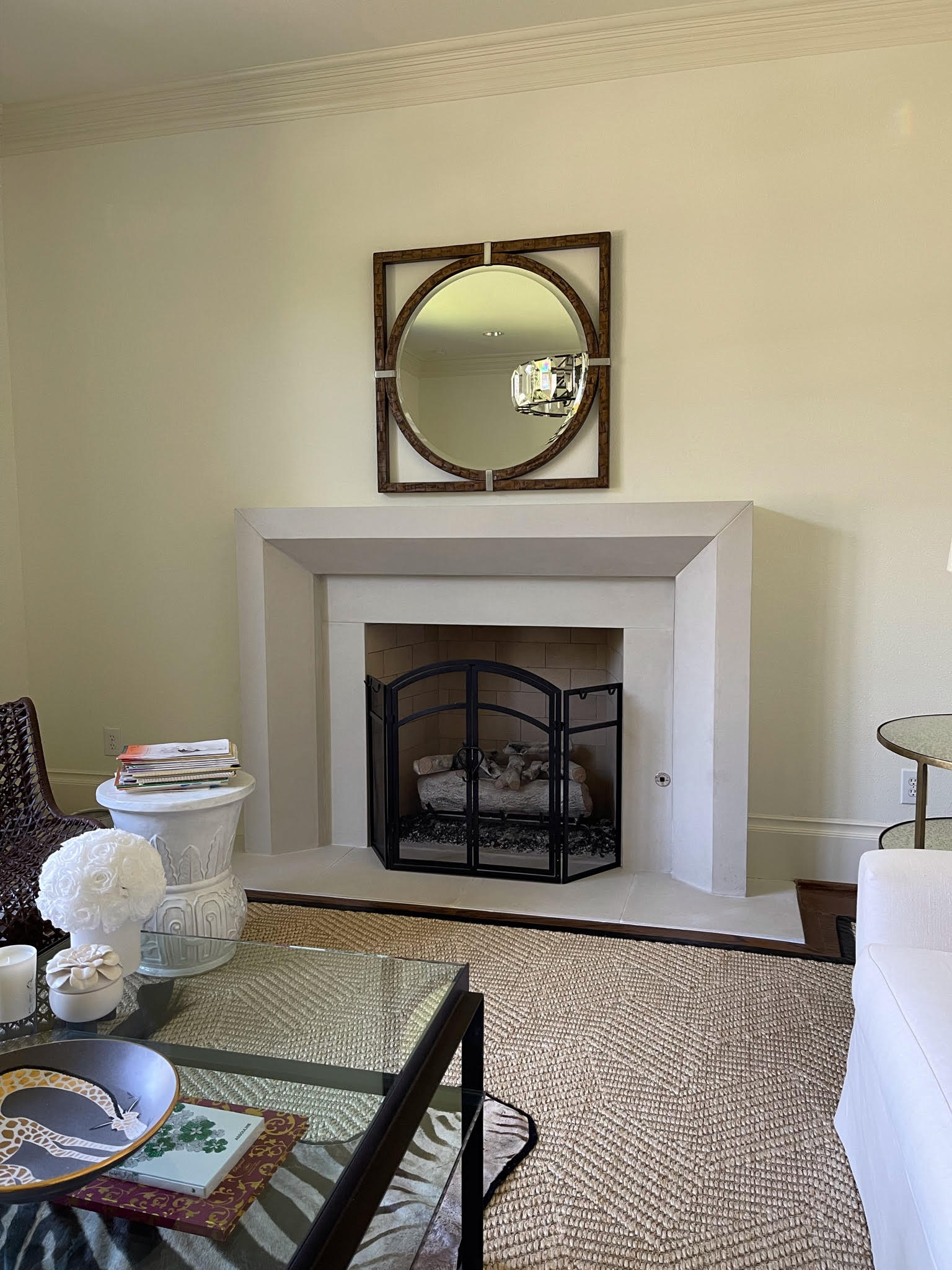
For contemporary homes, a linear firebox set into a clean-lined cast stone or stucco surround creates a sleek, minimal look. These designs often skip the traditional mantel in favor of a simple horizontal cap, letting the fire itself be the focal point.
Fireplace and Outdoor Kitchen Combinations
Many homeowners are pairing their outdoor fireplace with a grill station, bar, or full outdoor kitchen. Positioning the fireplace as a visual bookend to the cooking and dining area creates a cohesive outdoor room rather than a collection of separate features.
Covered vs. open-air placement, which affects material choice and how much weather exposure the fireplace will see
Wood-burning vs. gas, which impacts venting, fuel storage, and day-to-day convenience
Scale relative to the patio, so the fireplace feels proportional rather than overwhelming or undersized
Seating layout, since most outdoor fireplaces work best with a semicircle or U-shaped seating arrangement facing the firebox
Placement and Layout Considerations
Before settling on a design, walk the space at different times of day. Consider prevailing wind direction so smoke doesn't blow toward seating or the house, and think about sightlines from indoors — a fireplace visible from the kitchen or living room extends the sense of the home's living space outward. If the patio is covered, local code will typically dictate clearance requirements between the firebox and any overhead structure, so that's worth confirming early with whoever is building the space.
Sizing Your Outdoor Fireplace
A good rule of thumb is to let the fireplace width scale with the patio itself — a fireplace that's too large can dominate a smaller space, while one that's too small can get visually lost. Firebox openings for outdoor installations commonly range from around 36 to 48 inches, though custom designs can go larger for bigger entertaining spaces.
Working with a Custom Mantel or Surround
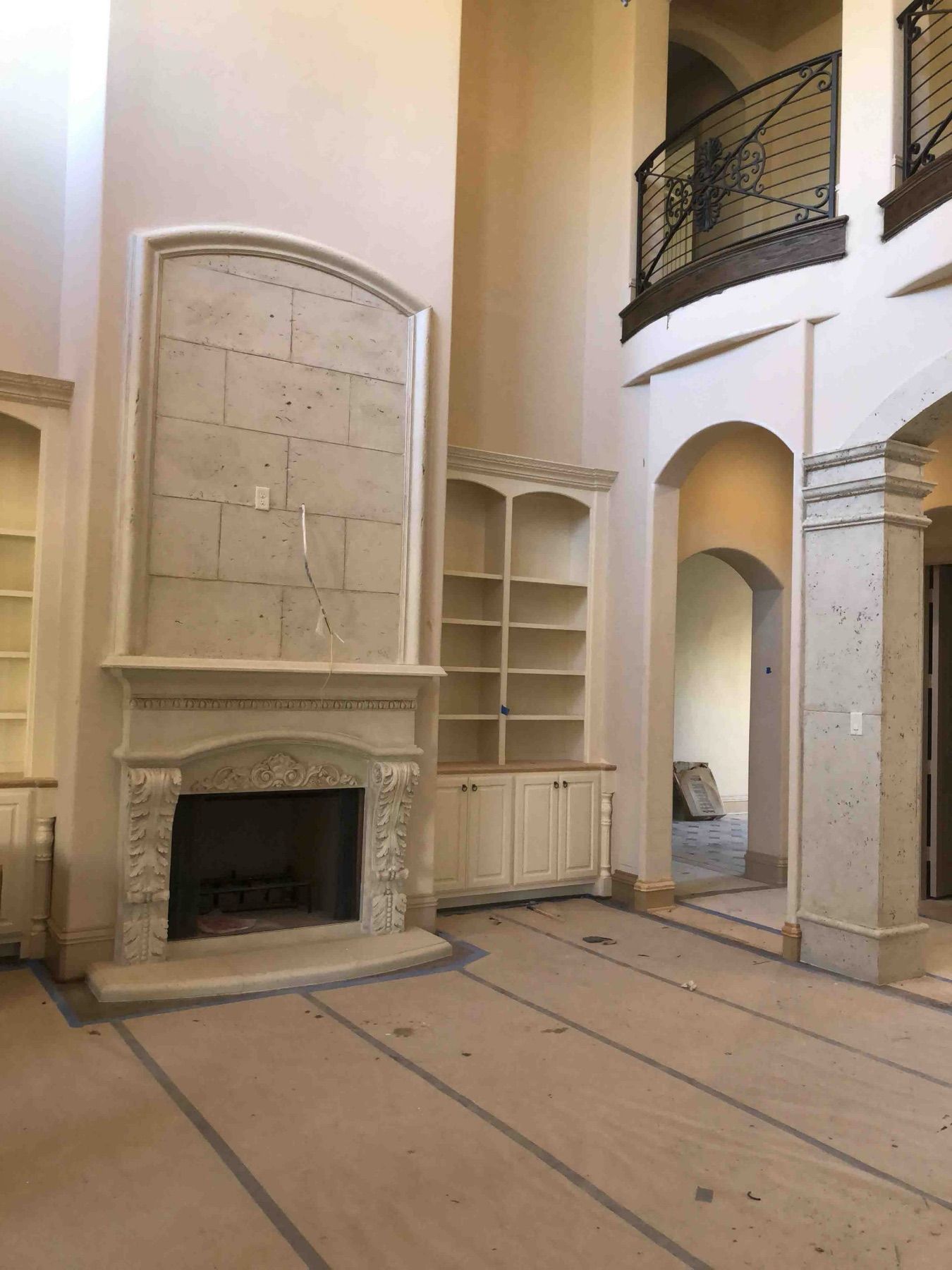
One advantage of building an outdoor fireplace from scratch, rather than installing a prefabricated unit, is the ability to customize the mantel and surround to match the home's architecture. A custom cast stone surround can be shaped to echo trim details elsewhere on the house, incorporate a family crest or custom carving, or simply be sized precisely to fit the space rather than working around a standard off-the-shelf profile.
Maintenance Tips for Outdoor Fireplaces in Texas
Outdoor fireplaces need less upkeep than a full outdoor kitchen, but a little seasonal attention keeps them looking good for years:
Rinse cast stone surfaces periodically to clear dust, pollen, and mineral buildup from sprinklers
Clear the firebox of ash and debris regularly if it's wood-burning
Inspect gas lines and connections annually if the fireplace is gas-fueled
Reapply a sealant to cast stone every couple of years to help it resist staining and moisture
Cover the firebox opening during extended periods of heavy rain if it's in an uncovered location
Bringing It All Together
An outdoor fireplace is as much a design decision as it is a functional one. Taking the time to think through material, placement, and scale — and working with a team that can build a custom surround rather than settling for a generic kit — makes the difference between a fireplace that feels like an afterthought and one that becomes the heart of the backyard. If you're planning an outdoor living project in the Dallas area, it's worth starting the conversation with a fireplace designer early, before the rest of the patio layout is finalized, so the fireplace can be the true centerpiece it's meant to be.