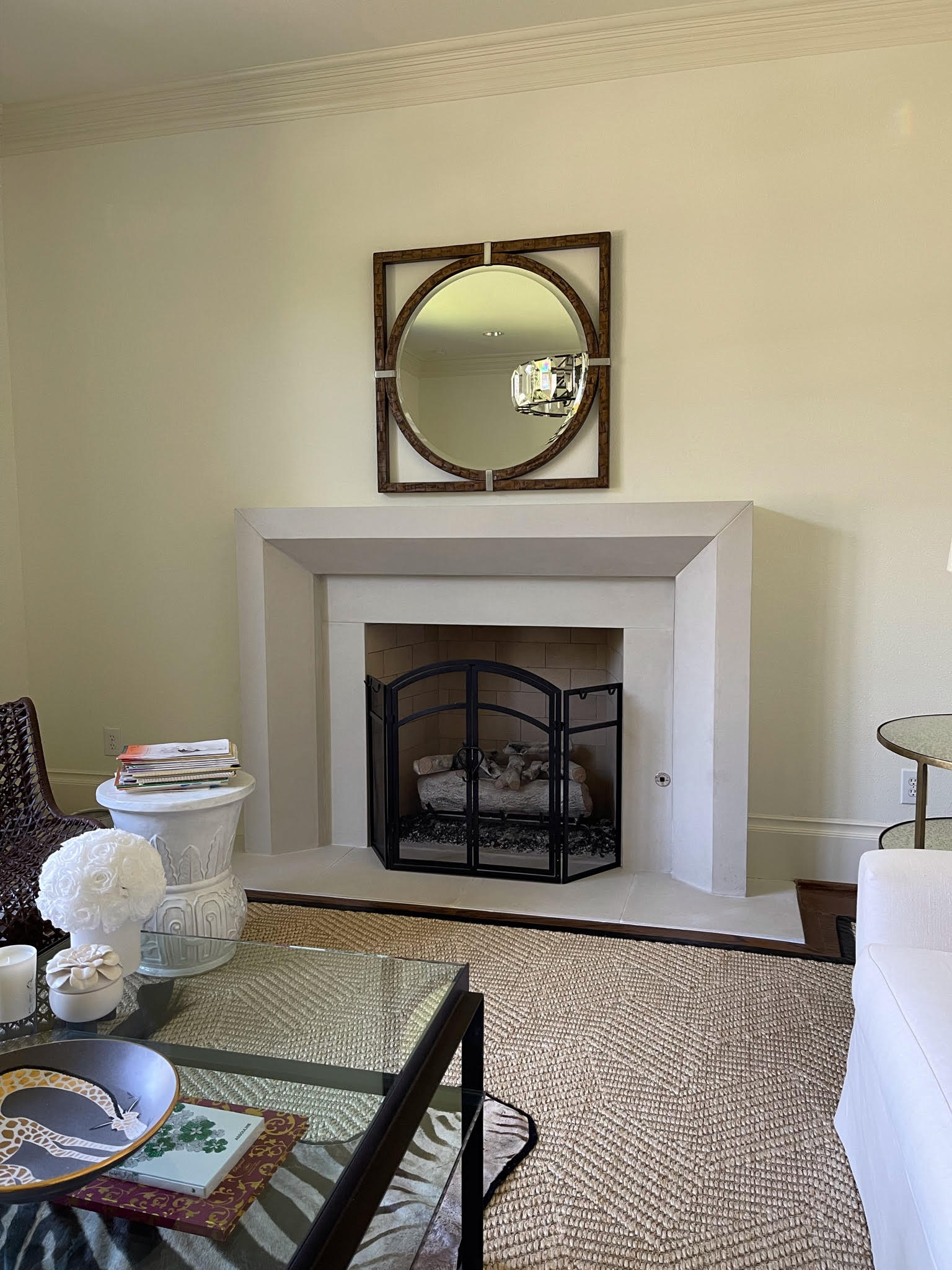
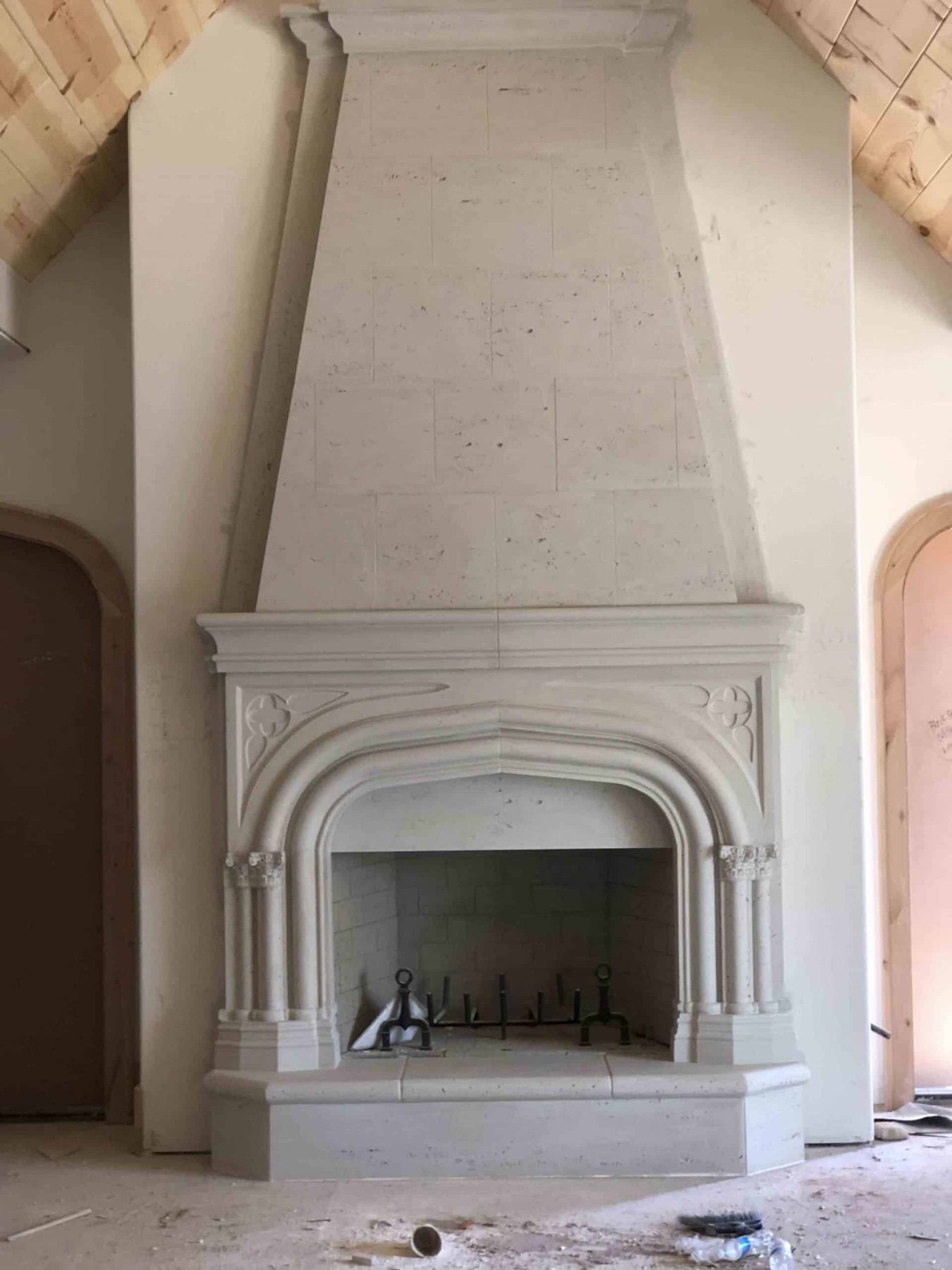
Cast stone has earned its reputation as one of the lowest-maintenance materials available for fireplace mantels, columns, balustrades, and other architectural details. Unlike natural stone, it's manufactured with a consistent, dense composition that resists the kind of pitting and staining that can plague quarried limestone or sandstone. Still, "low maintenance" doesn't mean "no maintenance." A simple cleaning and sealing routine goes a long way toward keeping cast stone looking sharp for decades, whether it's framing an indoor fireplace or standing up to Texas sun and rain on a patio column or fountain surround.
Why Cast Stone Needs a Little TLC
Cast stone is made from a refined blend of cement, natural or manufactured sands, and crushed stone aggregate, poured into molds to replicate the look of hand-carved limestone or sandstone. That density and uniformity make it durable, but the surface is still porous enough to absorb dirt, grease, smoke residue, and moisture over time if it isn't cared for. Left unchecked, this can lead to surface staining, efflorescence (a chalky white mineral deposit), or a dull, weathered appearance, especially on outdoor pieces exposed to rain, humidity, and UV rays.
Routine Cleaning: Keep It Simple
Most cast stone surfaces only need light, regular cleaning to stay in good shape. For everyday dust and light grime, a soft cloth or brush and warm water are usually enough. For more noticeable dirt or buildup around a mantel or range hood, a mild solution of dish detergent diluted with warm water works well. Apply it with a soft cloth or non-abrasive sponge, then rinse thoroughly with clean water to remove any soap residue, which can otherwise attract more dirt over time.
What to Avoid
A few common cleaning habits can actually damage cast stone rather than help it:
Acidic or alkaline cleaners (including many bathroom and tile cleaners) can etch or discolor the surface.
Abrasive scrub pads or wire brushes can scratch the finish and wear down fine architectural detail.
High-pressure power washers can force water into the surface and erode mortar joints on outdoor installations.
Wax drips from candles or fireplace use should be gently scraped off once cooled, then cleaned with a neutral cleanser rather than scrubbed while soft.
Sealing: Your First Line of Defense
Sealing is where most of the long-term protection comes from. A quality penetrating sealer helps cast stone resist water absorption, staining, and the freeze-thaw cycling that can occur during colder snaps, while still allowing the material to breathe. This is especially important for outdoor fireplaces, columns, fountains, and other exterior cast stone elements that face direct weather exposure, but it's worth doing for interior mantels and surrounds too, particularly in kitchens or near fireplaces where smoke and grease are a factor.
A Few Sealing Best Practices
Make sure the surface is completely clean and fully dry before applying any sealer.
Test the sealer on a small, inconspicuous area first to confirm it doesn't alter the color or finish in a way you don't want.
Choose a breathable, penetrating sealer designed for cast stone or natural stone rather than a film-forming topical coating, which can trap moisture and cause peeling or discoloration.
Reapply sealer roughly every one to three years for outdoor pieces, and less frequently for protected interior installations, depending on exposure and the manufacturer's recommendations.
Seasonal Considerations for North Texas
In the Dallas area, cast stone has to contend with intense summer heat and UV exposure, sudden heavy rain, and the occasional winter freeze. Outdoor fireplaces, fountains, and columns benefit from a pre-summer inspection to check for any hairline cracks or wear before the hottest months set in, and a fall check before winter to make sure sealing is intact ahead of any freezing temperatures. Keeping planters and irrigation lines from spraying directly onto cast stone surfaces also helps minimize mineral staining and prolongs the life of the sealer.
When to Call in a Professional
Routine cleaning and sealing are well within reach for most homeowners, but a few situations call for professional attention: deep or spreading stains, visible cracking or chipping, mortar joint deterioration on outdoor installations, or uncertainty about which sealer is appropriate for a specific finish or color. A cast stone specialist can also advise on restoring an older piece, matching color and texture for repairs, or recommending the right products for a specific mantel, surround, or exterior architectural element.
The Payoff of a Little Routine Care
The appeal of cast stone has always been its combination of the timeless look of carved natural stone with far less upkeep. A simple rhythm of gentle cleaning and periodic sealing is usually all it takes to keep a mantel, column, or outdoor fireplace looking as crisp as the day it was installed, indoors or out, through Texas heat, humidity, and everything in between.