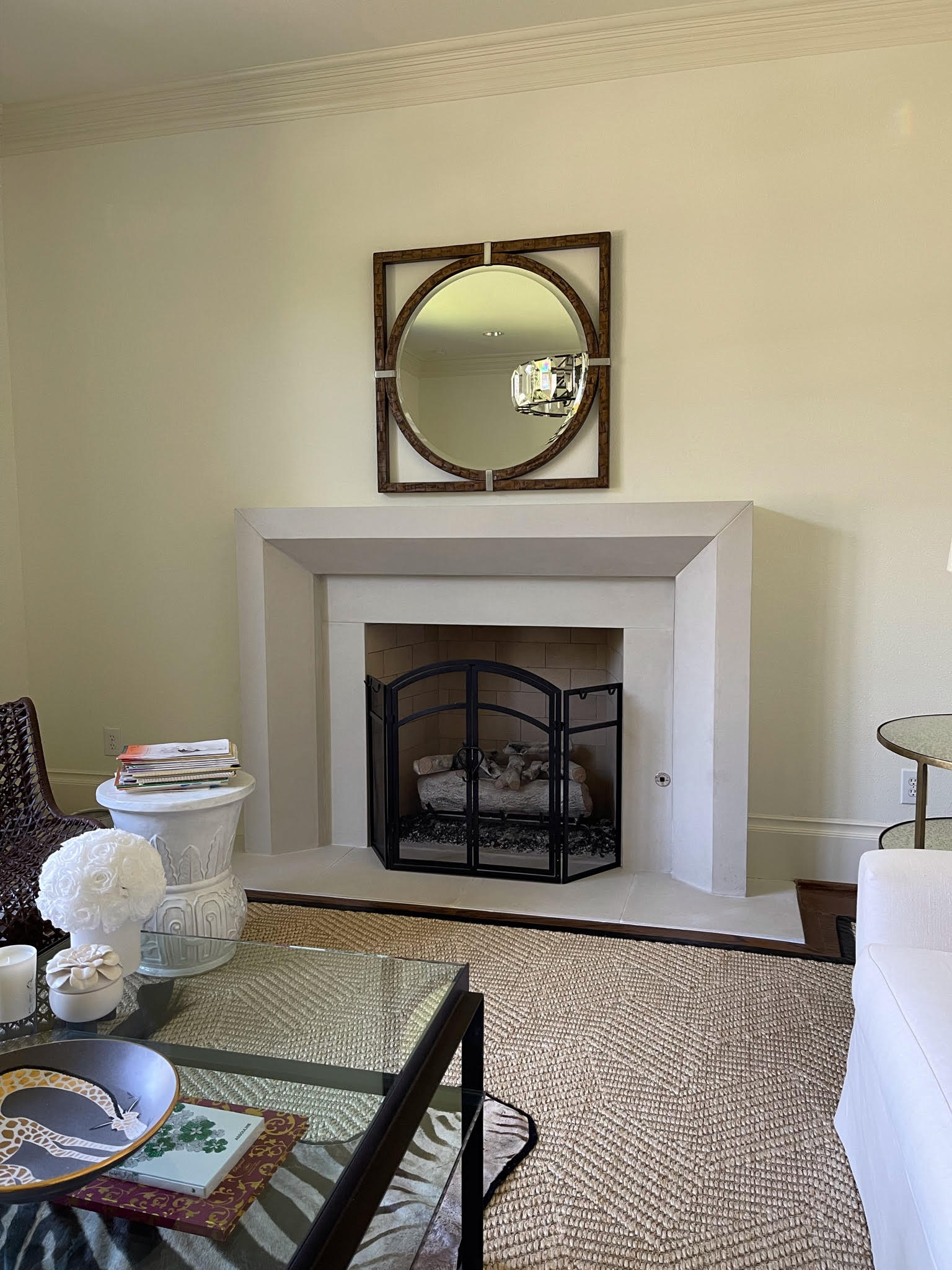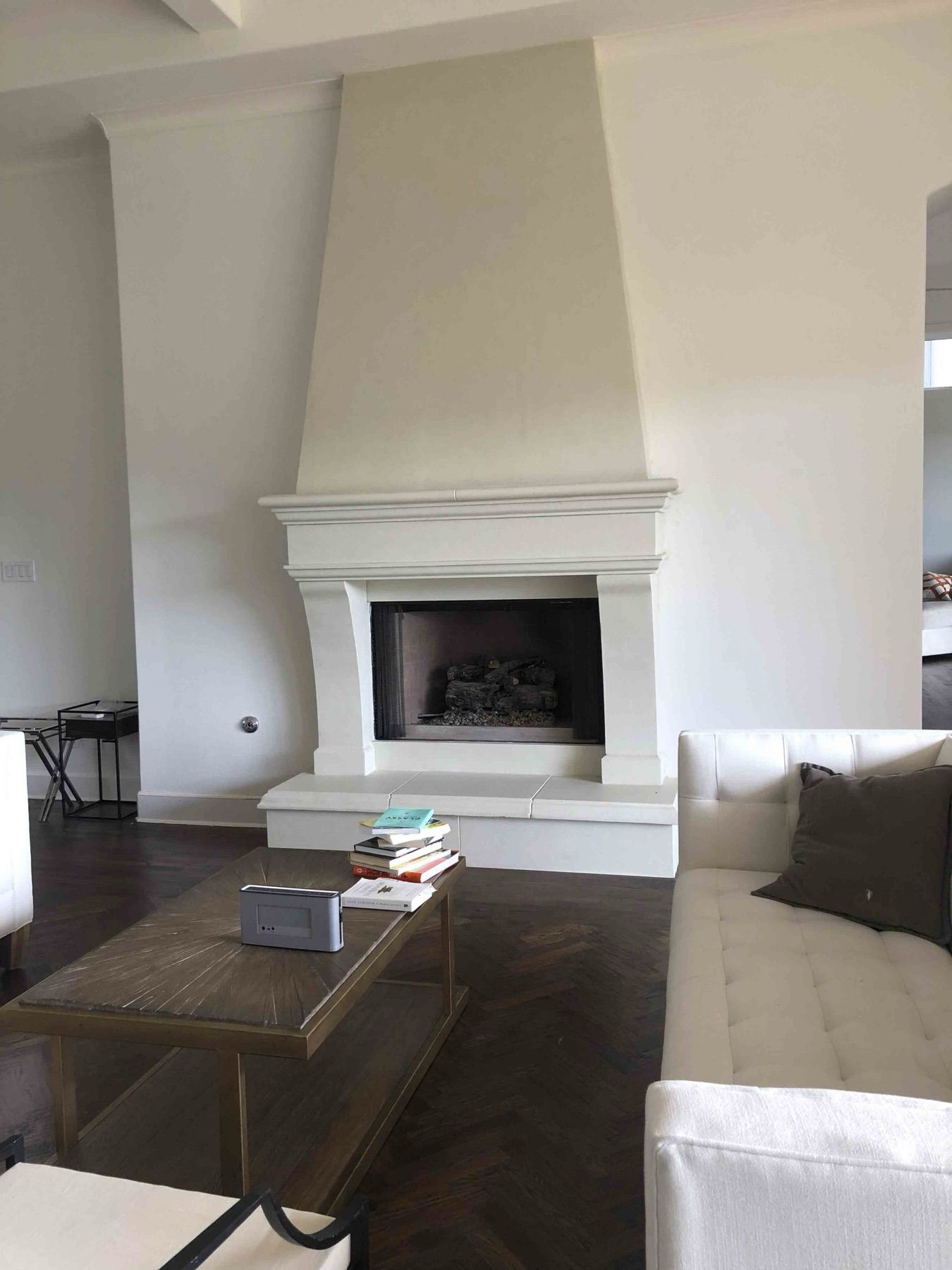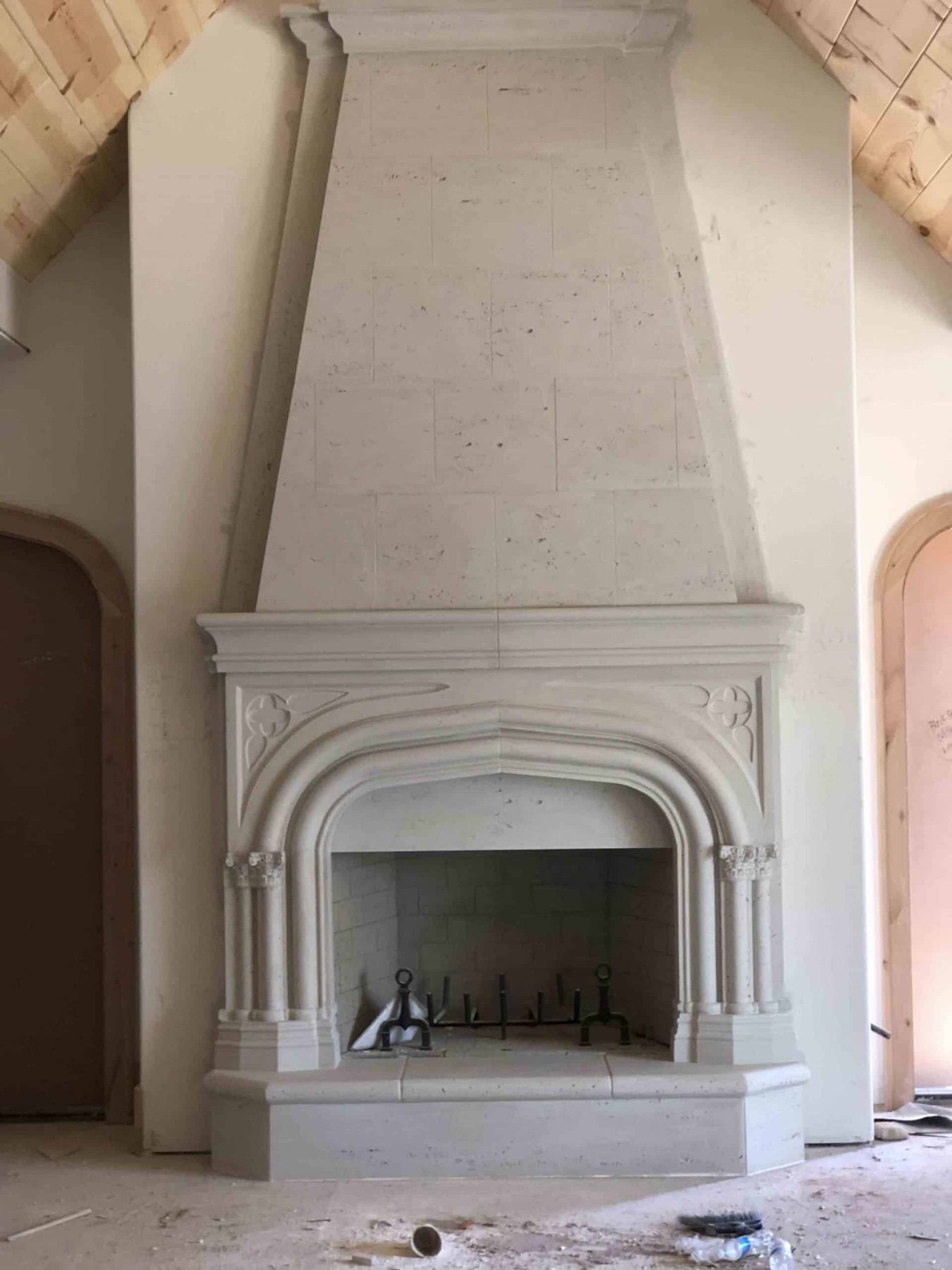
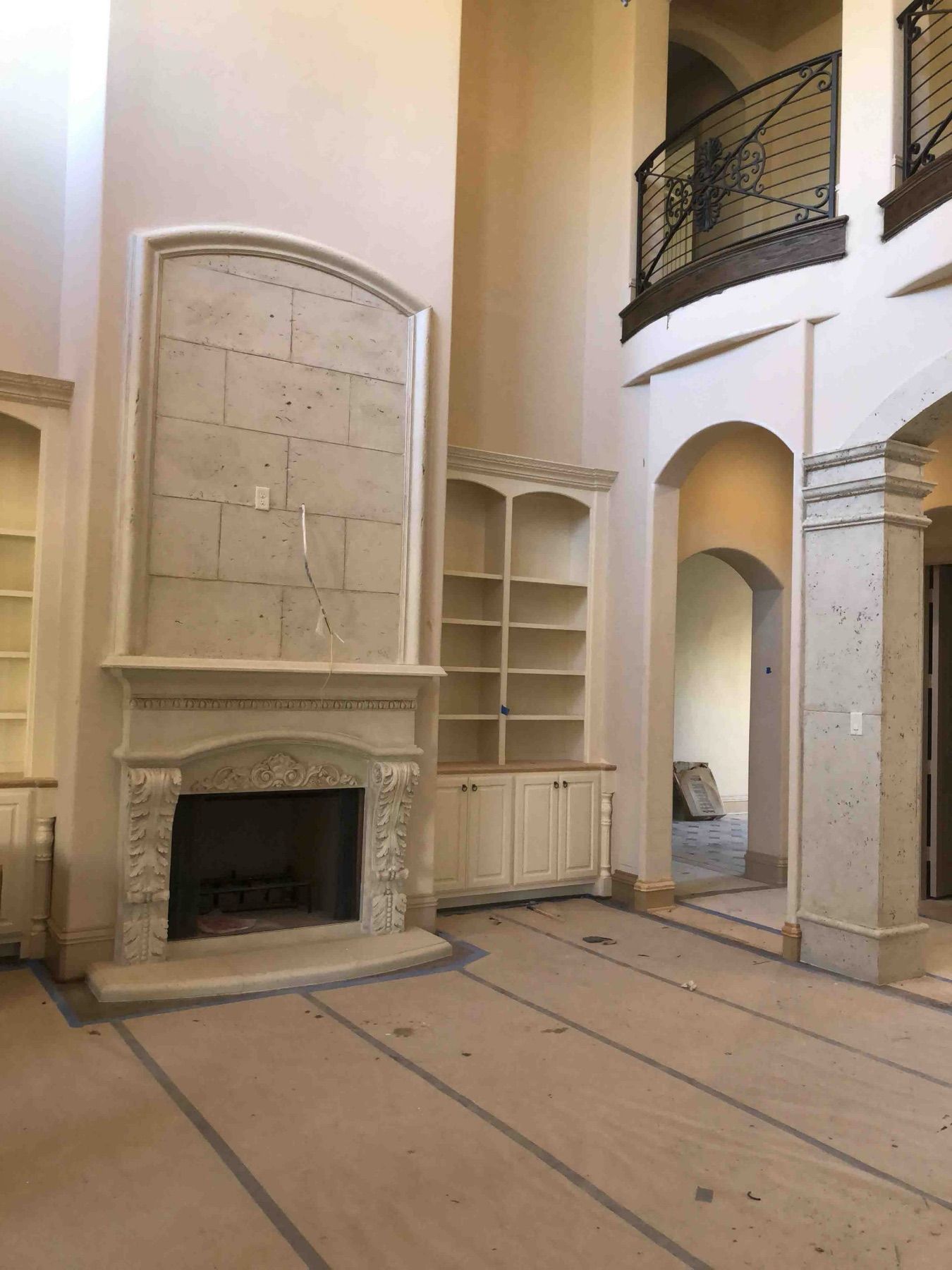
If you've started researching materials for a mantel, column, balustrade, or exterior trim piece, you've probably run into three terms that get used almost interchangeably: cast stone, precast concrete, and GFRC (glass fiber reinforced concrete). They're related, but they're not the same product, and choosing the wrong one for your application can mean paying too much, ending up with the wrong look, or running into structural problems down the road. Here's a straightforward breakdown of what separates them.
What Is Cast Stone?
Cast stone is a refined architectural product made from a blend of fine and coarse aggregates, such as natural sands, crushed granite, limestone, or quartz, combined with Portland cement and mineral oxide pigments. The mix is vibrated and cast in molds to closely replicate the look of quarried natural stone like limestone or sandstone, but with far more consistency piece to piece. It's the material of choice when the goal is a genuine carved-stone appearance for mantels, surrounds, columns, balustrades, window and door surrounds, and other architectural trim.
What Is Precast Concrete?
Precast concrete is a broader category that covers any concrete element poured into a mold and cured off-site before installation. It uses a standard mix of sand, water, Portland cement, and stone aggregate, without the refined aggregate blend or pigmentation that gives cast stone its natural-stone appearance. Precast concrete is workhorse material, common in structural applications, pavers, and utilitarian elements, but on its own it tends to read as finished concrete rather than as carved stone. It's typically the most economical of the three options, but also the one with the least architectural detail.
What Is GFRC?
Glass fiber reinforced concrete blends cement with alkali-resistant glass fibers and acrylic polymers instead of traditional steel reinforcement. Because the fibers do the structural work that steel and mass would otherwise provide, GFRC panels can be cast much thinner, often around 3/4 inch, compared to the 1.5 inches or more typical of standard precast. That translates directly into weight savings: a square foot of GFRC can weigh less than half what an equivalent piece of traditional precast weighs. GFRC is often used for larger cladding panels, decorative facade elements, and applications where reducing structural load matters.
Key Differences at a Glance
Appearance: Cast stone is engineered to mimic natural quarried stone; precast concrete typically looks like finished concrete; GFRC can be finished to resemble stone but is more commonly used for cladding and panel work.
Weight: GFRC is the lightest by a wide margin, followed by cast stone, with standard precast concrete generally the heaviest per square foot.
Reinforcement: Cast stone and precast concrete typically rely on steel reinforcement for larger or load-bearing pieces; GFRC relies on its fiber matrix, which is part of why it can be cast so much thinner.
Best-fit applications: Cast stone excels at fireplace mantels and surrounds, columns, balustrades, and door and window surrounds. Precast concrete suits pavers, structural elements, and budget-driven projects. GFRC suits large panels, facade cladding, and installations where weight is a limiting factor.
Installation: Lighter materials like GFRC are generally easier and less costly to install, since they place less demand on structural framing and require less equipment to move and set.
Which Material Is Right for Your Project?
For most homeowners working on a fireplace mantel, surround, or interior architectural detail, cast stone is the clear choice. It's dense, durable, and delivers the carved, natural-stone look that makes a mantel or surround feel substantial rather than decorative. Because it's cast rather than quarried, it can also be produced in consistent dimensions and custom profiles that would be far more difficult and expensive to achieve by carving natural stone by hand.
GFRC tends to make more sense for large-scale exterior cladding or where reducing weight on the structure is a priority, such as upper-story facade elements. Standard precast concrete is worth considering for simpler, budget-conscious applications where the refined look of cast stone isn't the priority.
A Note on Durability and Maintenance
All three materials are cement-based and hold up well outdoors when properly sealed, but they aren't identical in the long run. Cast stone's density and refined aggregate mix generally give it strong resistance to weathering and a finish that ages closer to natural stone. Whichever material you choose, periodic cleaning and resealing will go a long way toward keeping it looking its best for decades.
If you're planning a mantel, surround, column, or other architectural element and aren't sure which material fits your project, it helps to talk through the specifics, including the application, the look you're after, and any structural constraints, before committing to a material. The right choice usually comes down to balancing appearance, weight, and budget for the specific piece you're building.