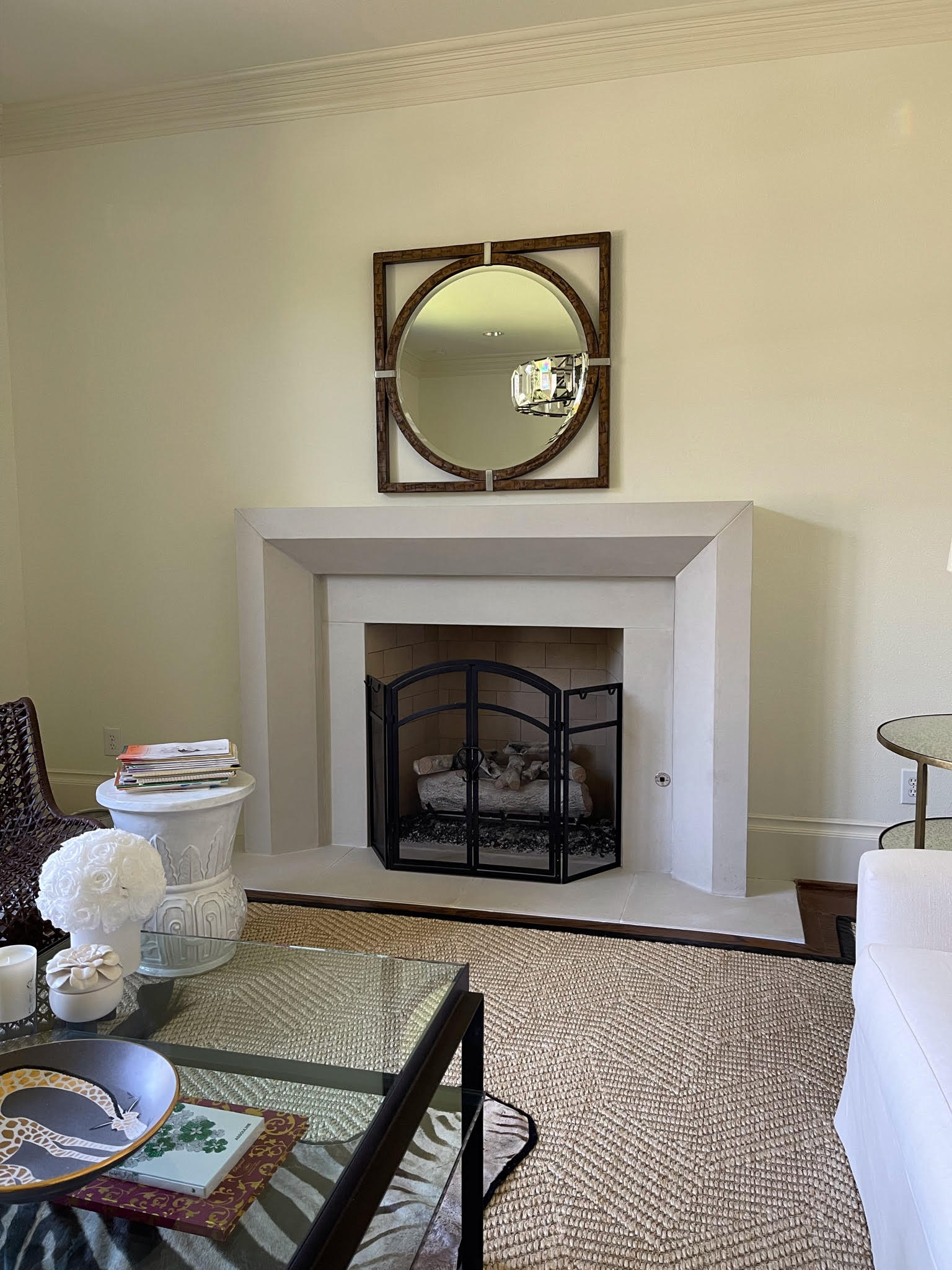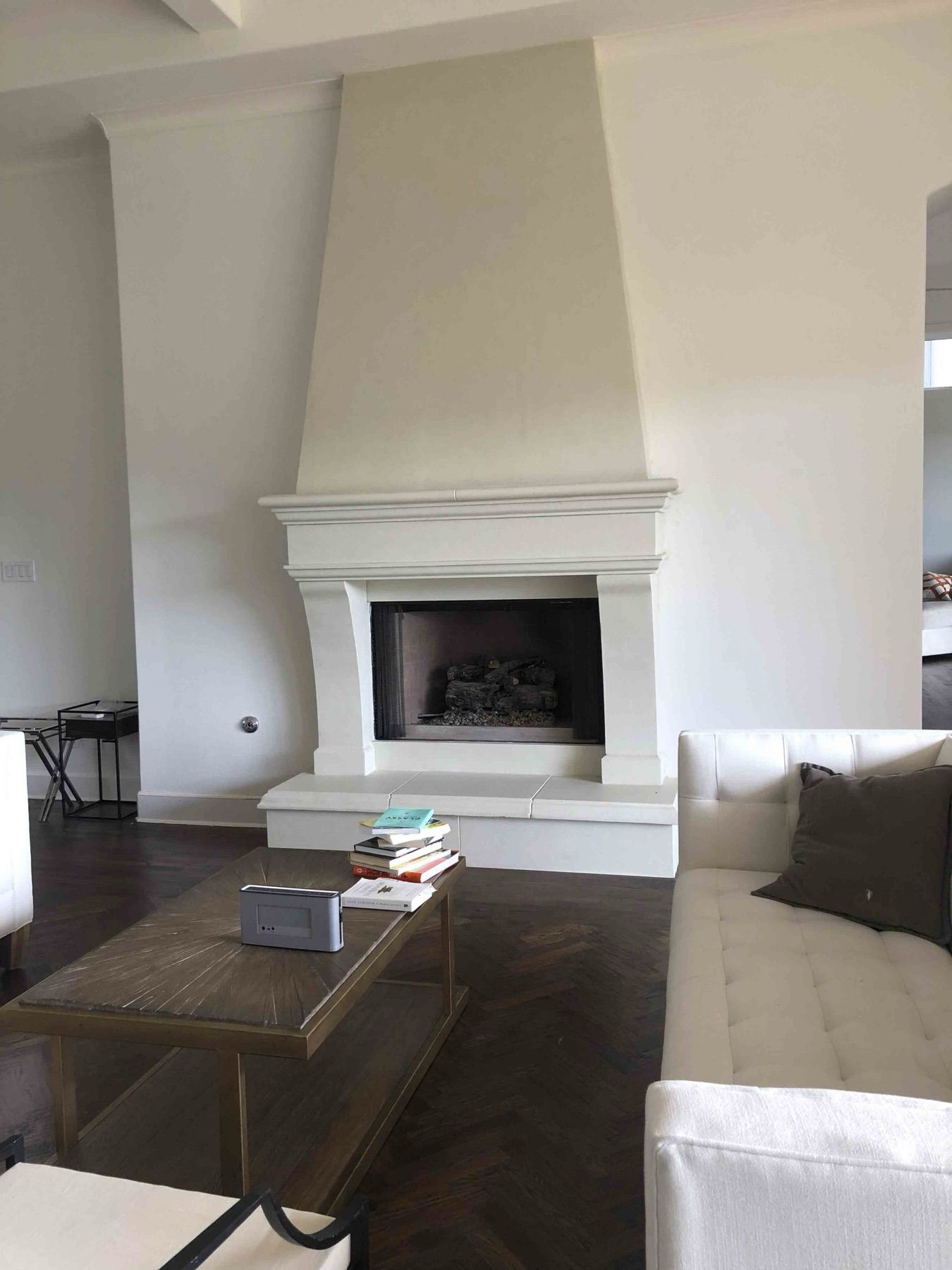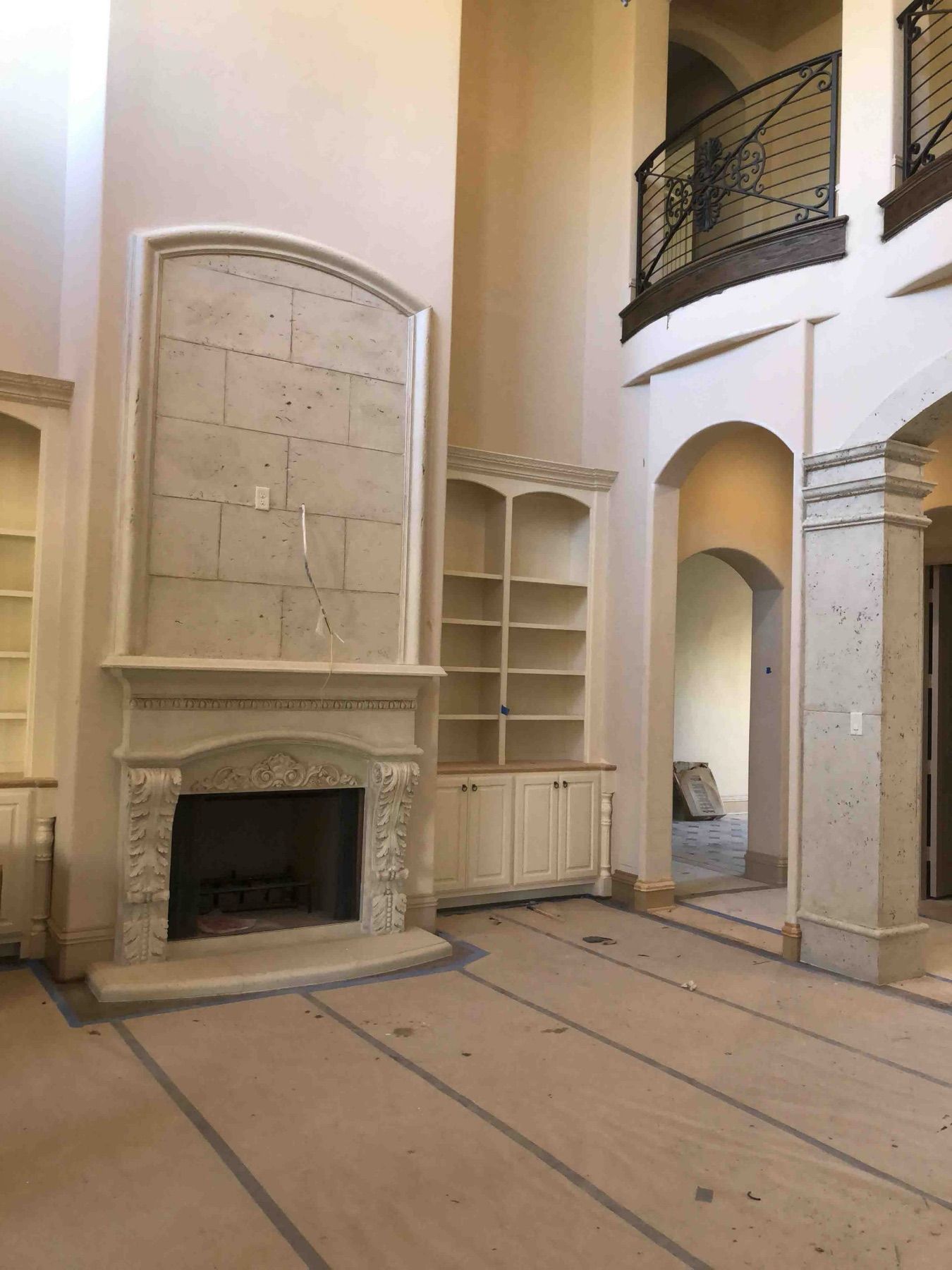
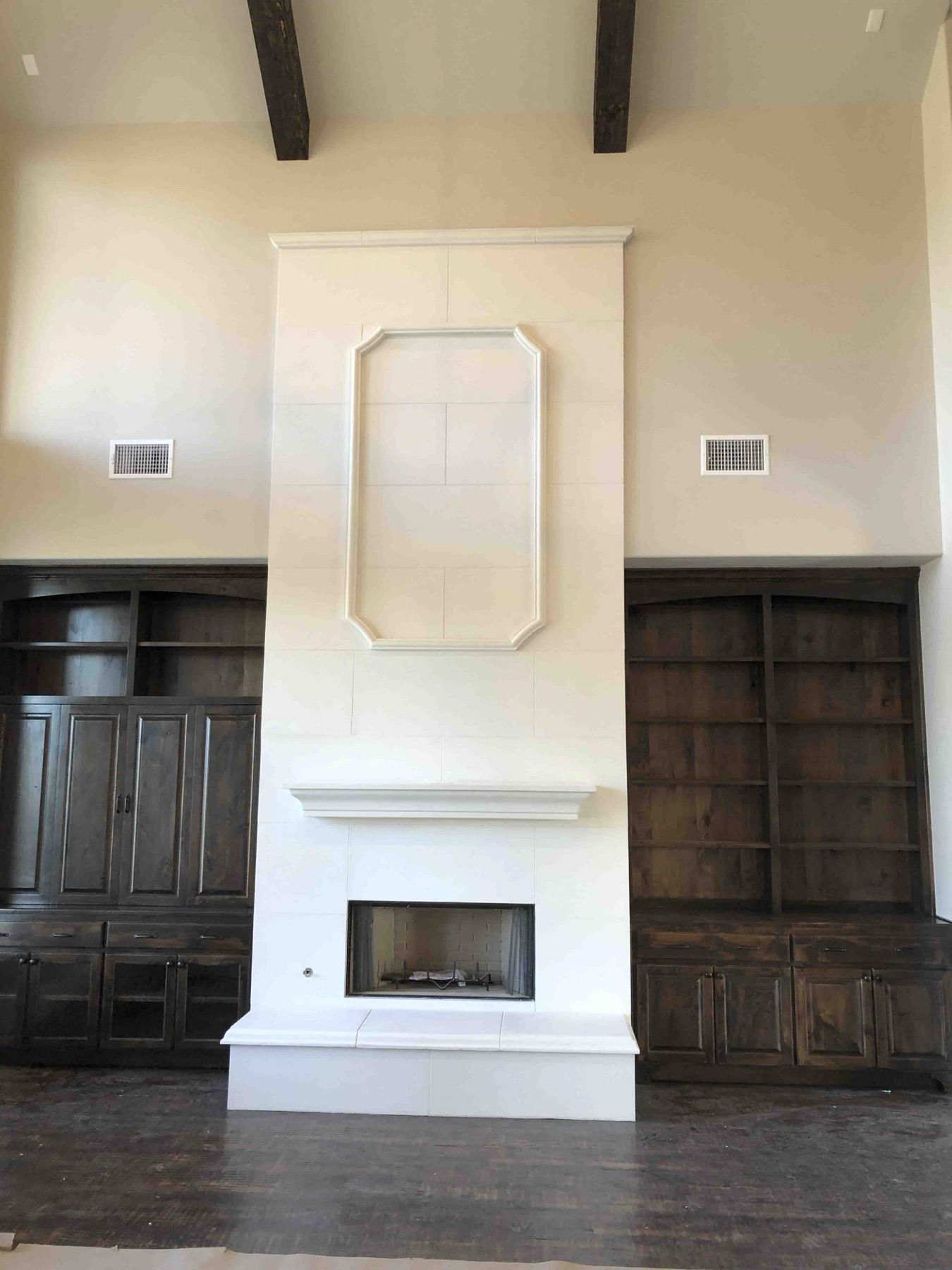
If you've shopped for a fireplace mantel, a set of columns, or an exterior window surround, you've probably run into the term "cast stone" more than once. But most homeowners have never actually seen how the material gets made. Understanding the process is worth a few minutes, because it explains a lot about why cast stone looks the way it does, why it holds up outdoors for decades, and why not all cast stone is created equal.
What Is Cast Stone, Exactly?
Cast stone is a refined form of architectural precast concrete. It's manufactured from a carefully proportioned mix of portland cement, fine and coarse aggregates, and mineral pigments, then cast in molds that reproduce the crisp detail of hand-carved natural limestone or sandstone. The goal isn't to imitate stone from a distance — it's to reproduce the texture, color, and edge quality of quarried stone closely enough that the two are difficult to tell apart, even up close.
Because it's manufactured rather than quarried, cast stone can be produced in consistent batches, cast into custom profiles, and finished in a range of colors — advantages that natural stone, cut piece by piece from a quarry, generally can't match.
Step 1: Designing and Building the Mold
Every cast stone piece starts as a mold, and the mold is where most of the craftsmanship actually lives. For a custom mantel, surround, or decorative element, that usually begins with a design or a physical model, which is used to produce a master pattern. From that pattern, a flexible mold — commonly rubber or urethane — is built and then supported by a rigid outer shell, or "mother mold," that holds its shape during casting.
A well-made mold captures fine details like tool marks, edge chamfers, and surface texture, and it can typically be reused many times before it wears out. This is also the stage where a manufacturer's experience shows most clearly: sharp, consistent detail in the finished piece almost always traces back to a well-built mold.
Step 2: Mixing the Material
Next comes the mix itself: portland cement, graded sand and aggregate, mineral oxide pigments for color, and water, combined in specific proportions. The aggregate blend affects strength and texture, while the pigment load determines the finished color — which is why reputable manufacturers batch-test and document their mix ratios so that a piece ordered today matches one ordered a year from now.
Step 3: Casting and Compacting
There are two common approaches to getting the mix into the mold:
Wet-cast (pour) method: A flowable mix is poured into the mold and vibrated to release air pockets, producing a very smooth, dense surface — well suited to detailed ornamental work.
Dry-tamp method: An "earth-moist," low-slump mix is packed and vibrated into the mold by hand, then the piece is removed from the mold almost immediately. This method is prized for producing a texture that closely resembles natural cut stone.
Either way, compaction is critical. Air pockets or inconsistent density in this step are what lead to surface pitting, weak spots, or uneven color later on.
Step 4: Curing
Once cast, the piece needs to cure — a slow chemical reaction between water and cement that builds strength over time. Many manufacturers cure pieces in a controlled, humid environment for the first several days to prevent the surface from drying and cracking too quickly, then allow the piece to continue curing for weeks before it's ready to ship. Rushing this stage is one of the most common shortcuts in lower-quality cast stone, and it's also one of the hardest defects to spot just by looking at a finished piece.
Step 5: Finishing and Quality Control
After curing, pieces are removed from the mold, and any seam lines are cleaned up by hand. Depending on the design, the surface may get a light acid wash, sandblasting, or hand-tooling to match a particular natural stone finish. A good shop inspects every piece for color consistency, dimensional accuracy, and surface quality before it's approved to leave the facility — and larger architectural elements, like mantels or columns, are often test-fit or dry-assembled before delivery.
Why the Process Matters When You're Buying
You won't be standing in the casting yard when your mantel or column is made, but you can ask questions that reveal how much care goes into the process. When comparing cast stone suppliers, it's worth asking:
How long are pieces cured before they ship?
Are molds made in-house, and can designs be customized?
What quality checks happen before a piece is approved?
Can they show samples of the actual color and texture, not just photos?
The answers usually correlate closely with how the finished piece performs over the years — how well it resists cracking, how evenly the color weathers, and how crisp the detail still looks a decade after installation.
From Mold to Mantel
A finished cast stone mantel or column can look effortless in a finished room, but getting there involves real craftsmanship at every stage: a carefully sculpted mold, a precisely batched mix, careful casting and compaction, patient curing, and hands-on finishing. Whether you're planning a custom fireplace mantel, an exterior column, or another cast stone architectural element for your home, understanding this process is a useful way to judge quality — and a good reminder that the best results come from manufacturers who don't cut corners on any single step.