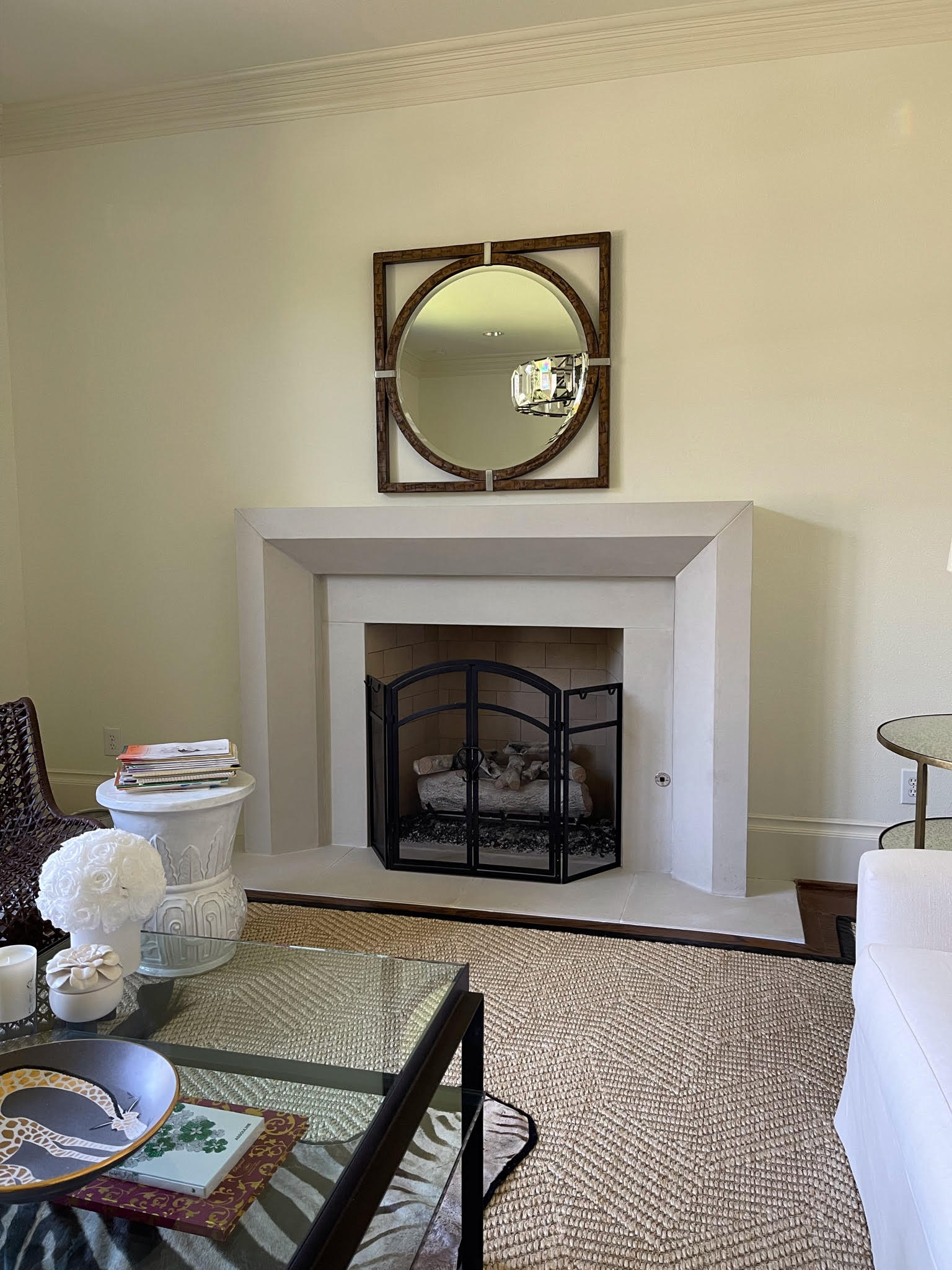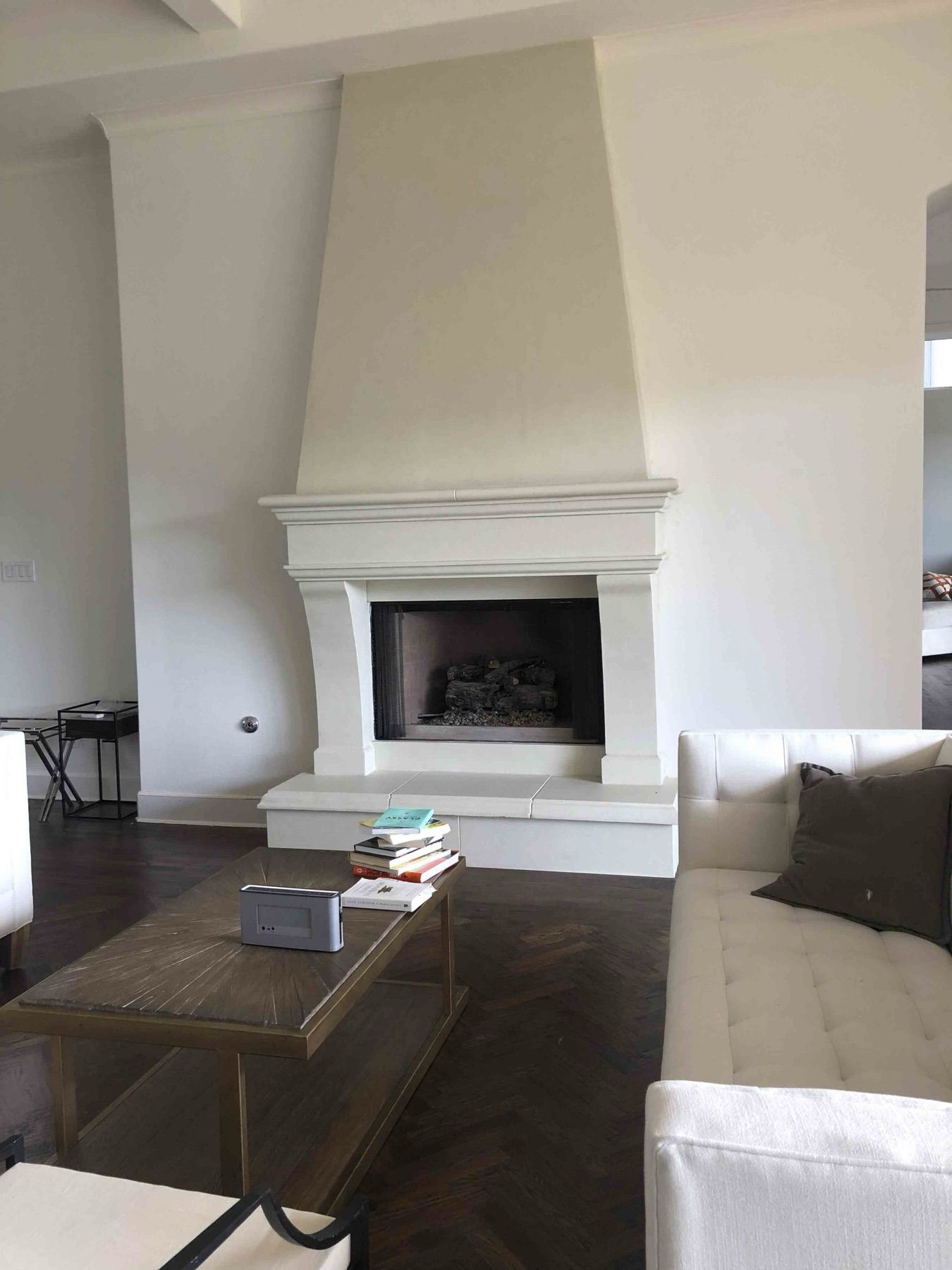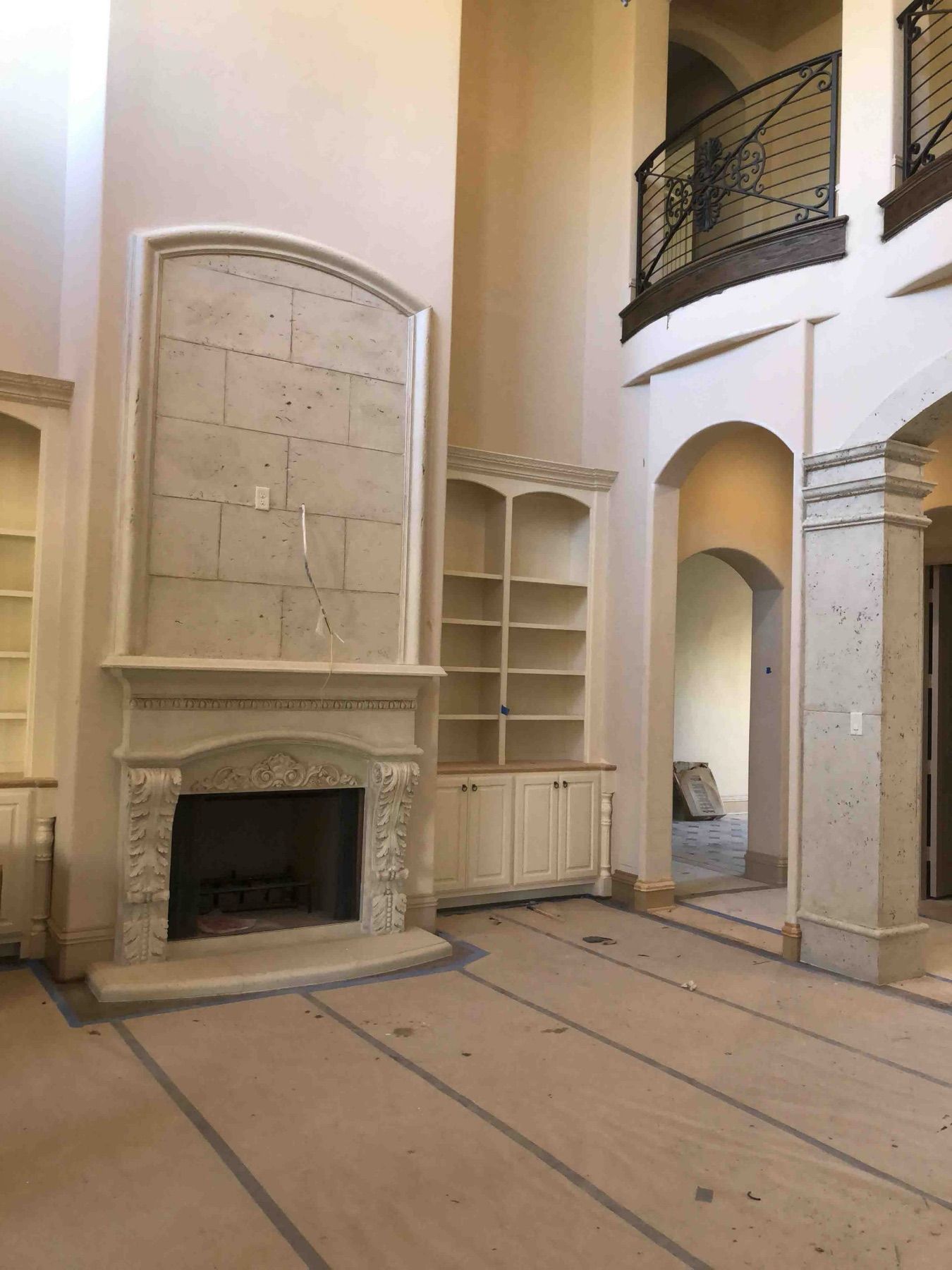
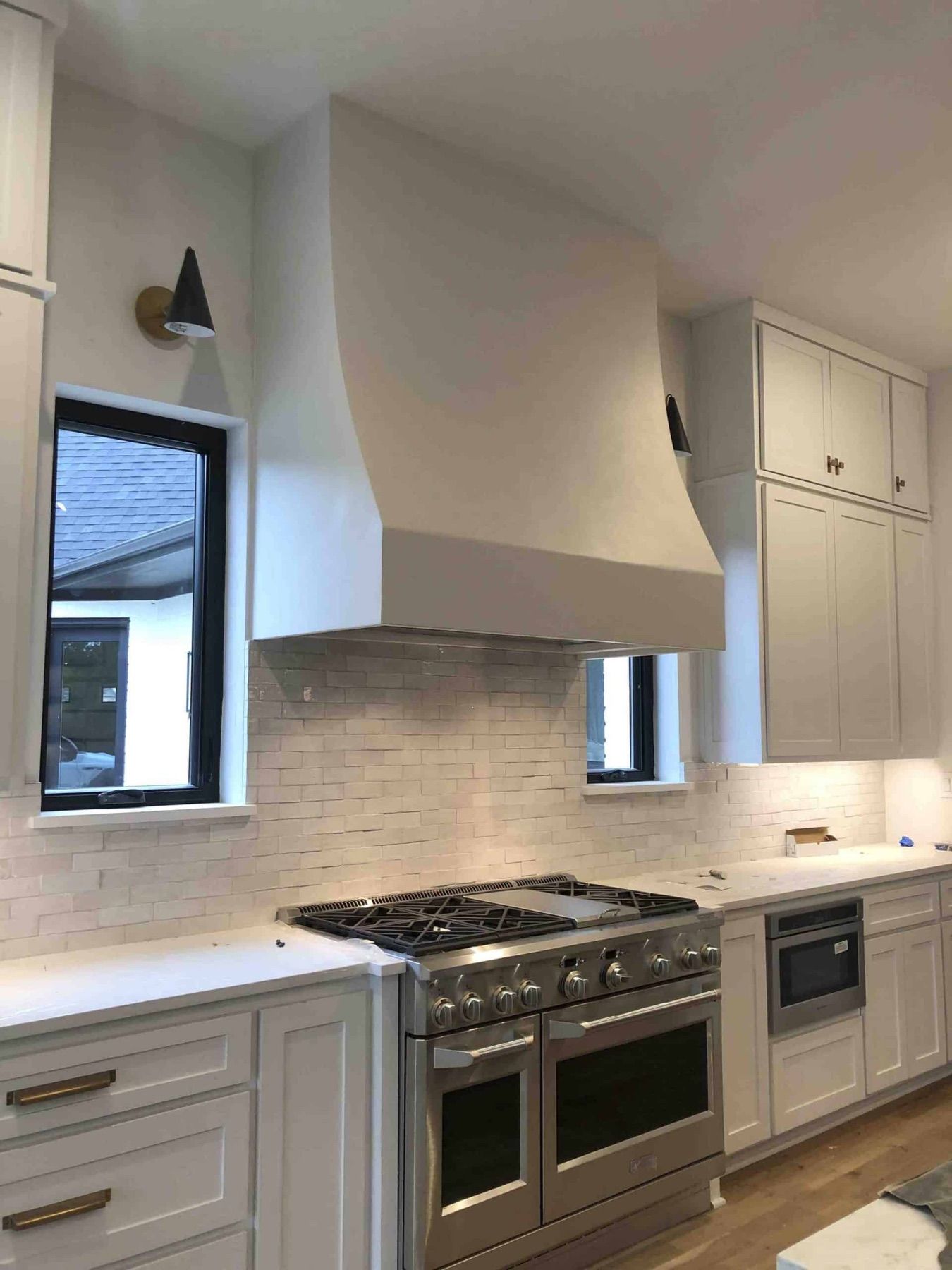
When most people think about cast stone, they picture a fireplace mantel or an exterior column. But one of the fastest-growing applications for the material is inside the kitchen: the range hood. A well-proportioned cast stone hood can turn a functional appliance into the visual centerpiece of the room, and it's a project that pairs naturally with the same craftsmanship used in cast stone fireplace surrounds and architectural trim.
Why Homeowners Are Choosing Cast Stone Range Hoods
Kitchen design has been trending toward statement hoods for several years now, and cast stone fits that trend well. Unlike a stainless steel insert or a painted drywall enclosure, a cast stone hood reads as a piece of architecture rather than an appliance cover. It can be carved with moldings, corbels, or a simple clean profile depending on the kitchen's style, and it holds up to heat, moisture, and grease exposure far better than many decorative alternatives. Because the material is cast rather than carved from solid stone, it's also possible to achieve intricate detailing at a lower weight and cost than natural stone would require.
What Makes Cast Stone Different From Other Hood Materials
Range hood surrounds are typically built from one of a handful of materials: painted wood, metal, plaster, or cast stone (sometimes called precast concrete or GFRC in related forms). Wood and plaster enclosures are common and less expensive, but they're more prone to moisture damage over time and generally need repainting or touch-up work. Metal hoods offer a sleek, modern look but can feel cold in a traditional or transitional kitchen. Cast stone sits in between: it can be finished in a range of colors and textures to match almost any design direction, from a rustic farmhouse hood with a heavily textured face to a smooth, minimalist profile for a contemporary kitchen. It's also inherently non-combustible, which is a practical advantage directly above a cooking surface.
Key Factors to Consider Before You Buy
Kitchen Style and Architecture
The hood should feel like it belongs to the house, not just the kitchen. A profile with heavier moldings and corbels tends to suit European or old-world-inspired kitchens, while a cleaner, boxier shape works better in transitional or modern spaces. If your home already has cast stone elements elsewhere — a fireplace mantel, an exterior surround, or interior trim — matching the color and finish can help tie the whole house together.
Size and Proportion
A range hood that's too small for the cooking surface below it looks like an afterthought, and one that's too large can overwhelm the room. A good rule of thumb is for the hood to be at least as wide as the range or cooktop, often a few inches wider on each side. Ceiling height matters too: taller ceilings can support a more dramatic, elongated hood, while standard 8- or 9-foot ceilings usually call for a more compact design.
Ventilation and Function
It's worth remembering that the cast stone piece is the enclosure, not the ventilation system itself. A proper insert or blower needs to be sized to your kitchen's square footage and cooking habits, and the cast stone shell is built around that mechanical component. Coordinating with your kitchen designer or contractor early on ensures the enclosure is sized correctly for the insert you choose and that duct routing is planned before the hood is installed.
Finish and Color
Cast stone can be finished in a wide range of colors and textures, from bright whites and warm creams to deeper grays and taupes. Some homeowners choose a finish that closely matches their countertops or cabinetry, while others use the hood as an intentional contrast point in the room.
Match or complement your countertop and backsplash material
Consider how the finish will read under different lighting throughout the day
Request a physical sample rather than relying on a photo or screen color
Think about long-term maintenance of lighter versus darker finishes near a cooking surface
Installation Considerations
Cast stone range hoods are generally built in sections around a metal frame and liner, then installed by a qualified contractor familiar with both the structural and ventilation requirements. Because the piece is custom to your kitchen's dimensions, it's typically templated on site or built from precise measurements rather than ordered off the shelf. Planning for the hood early in a remodel — ideally before cabinetry and countertops are finalized — makes it much easier to get the proportions and clearances right.
Caring for a Cast Stone Range Hood
Maintenance is straightforward. Routine cleaning with a soft cloth and mild, non-acidic cleaner is usually sufficient, and a quality sealer applied at installation (and refreshed periodically) helps the surface resist grease and staining. Because a range hood sits directly above a heat and grease source, it's worth cleaning it a bit more often than you would a cast stone fireplace surround or exterior feature.
Is a Cast Stone Range Hood Right for Your Kitchen?
If you're planning a kitchen remodel and want a focal point that feels architectural rather than purely functional, a custom cast stone range hood is worth considering alongside more common wood or metal options. The same craftsmanship that goes into a cast stone fireplace mantel or an exterior surround translates well to the kitchen, giving you a piece that's built to your space rather than selected from a catalog. Working with a team experienced in custom cast stone design can help you get the proportions, finish, and installation details right from the start.